
(No caption)
The writer, a Metro Detroit lawyer, is a colon cancer survivor. March is Colorectal Cancer Awareness Month.
By Clarence Dass
No one wants to get a colonoscopy. The idea of washing out your insides only to then have a scope pushed through them is, well, gross. But as someone who learned the hard way when I was diagnosed with colon cancer at 31, take it from me – it’s a small sacrifice.
Colorectal cancer has surpassed breast cancer as one of the top deadliest diseases in the world. The National Cancer Institute estimates that nearly 53,000 people die each year from it. What’s more, the notion that colorectal cancer only affects individuals over 50 is now old science. According to Cancer.gov, the rate of colorectal cancer in adults younger than 50 has more than doubled in recent years.
It doesn’t discriminate either. While African-Americans are statistically more likely to get colorectal cancer than whites, the spike has also been seen in Native Americans and those with Middle Eastern ancestry.
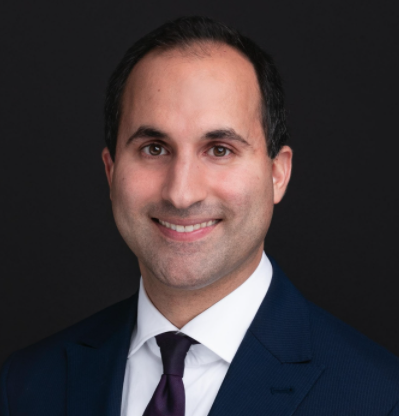
Clarence Dass "learned the hard way."
That’s where I enter. I was diagnosed in 2017, despite no history of colorectal cancer in my Middle Eastern-origin family. By the time I scheduled my colonoscopy, the disease had reached my lymph nodes and I was designated stage 4. I had just met the woman who is now my wife, entered private practice as an attorney and already committed to many social causes I wanted to support that year.
I ended up following through on all those things, but I endured much more in the process – 12 rounds of chemotherapy, 5 weeks of radiation, and a major surgery a year later. Thankfully by the end of it, I was disease-free.
Not everyone is so lucky. In recent years, high-profile names such as actor Chadwick Boseman, Peanuts creator Charles Schulz, local media personality Jamie Samuelson – and many more who do not make headlines – have faced the worst of it. But if their lives and the battles of thousands around the world can teach one lesson, it is that colorectal cancer, if caught early, can be treated and even cured.
March is Colorectal Cancer Awareness Month. Recognizing stomach issues, responding to them, and getting tested are the first steps toward reversing the trend. There even arebkits where you can send your stool to a lab for analysis without even leaving your home. Talking about colorectal cancer, spreading awareness, and sharing stories of survival can literally save someone’s life this month and every month.
It did mine. And that’s why I’m returning the favor.
Clarence Dass is a former prosecutor and attorney in Metro Detroit who specializes in family, criminal and juvenile law. In 2019, the State Bar of Michigan named him its “Unsung Hero” for continuing to serve his clients and community while secretly fighting stage 4 colon cancer.


