
(No caption)
This essay by an English teacher at Cass Technical High School is excerpted from Chalkbeat Detroit.
The writer is a west-side Detroiter who graduated from Eastern Michigan University and Marygrove College, has been an educator for 15 years and is a senior fellow at The Pulse Institute anti-poverty research center in Detroit.
By Dorothea Williams-Arnold
When I began my career, Detroit Public Schools had been taken over by the state, which subsequently crippled the district so badly that teachers had to sacrifice salaries, autonomy and pride. My beloved school district — underfunded, racially and economically segregated — was facing possible ruin. The reality made me all the more determined that there was no way I would leave college and head out to the more affluent suburbs or a less-regulated charter school.
The thought of leaving the Detroit district felt like selling out. It felt like running away.
I wanted to teach in this place where the ashes from past disinvestment and racial tension were still smoldering because Detroit Public Schools had nurtured me and because Black teachers had a tremendous impact on my desire to learn and my ability to thrive. I was poor, apprehensive, and traumatized by an abusive home environment, yet my teachers recognized my strengths and worth. They saw me.
I was determined to have that kind of impact on young people in my community.
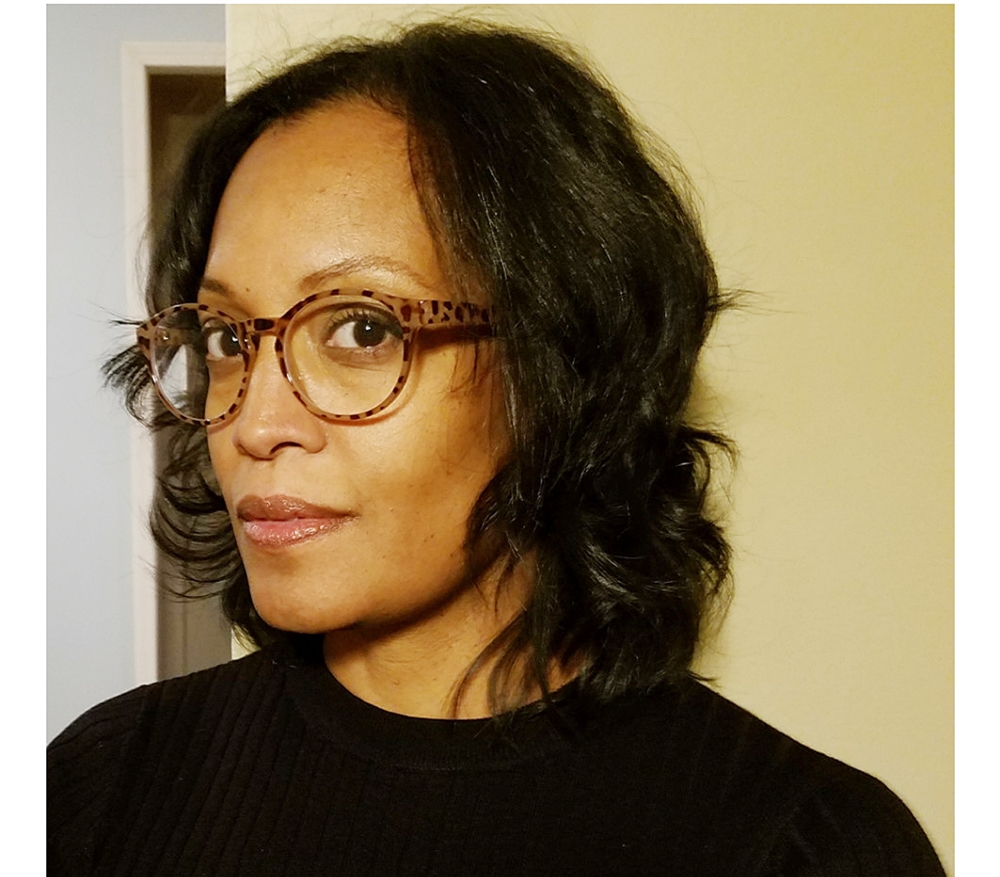
Dorothea Williams-Arnold: "I was determined to have ... impact on young people in my community." (Photo The Pulse Institute)
Detroit is where our shared history binds us together in common purpose and struggle. It is a place that offered my grandparents promise, but redlining, segregation and overpriced and inadequate housing cost them their stability. Detroit is comfortable and familiar; it is also full of reminders of the lingering, complicated history that fueled the district takeover [in 1999].
Working while the district was under state control meant teachers faced intense scrutiny. Our salaries were frozen and we were forced to reapply for our jobs. Meanwhile, our infrastructure crumbled due to continued disinvestment. So when, after about 15 years of state control, the school district moved beyond the disastrous clutch of state control, it seemed as though our worst days were behind us.
Covid's sink-or-swim test
Then the pandemic arrived, forcing me to sink or swim in a sea of deadly virus, isolation, and feelings of inadequacy. I would have to reinvent my approach to teaching and adjust my expectations — for my students and myself. ...
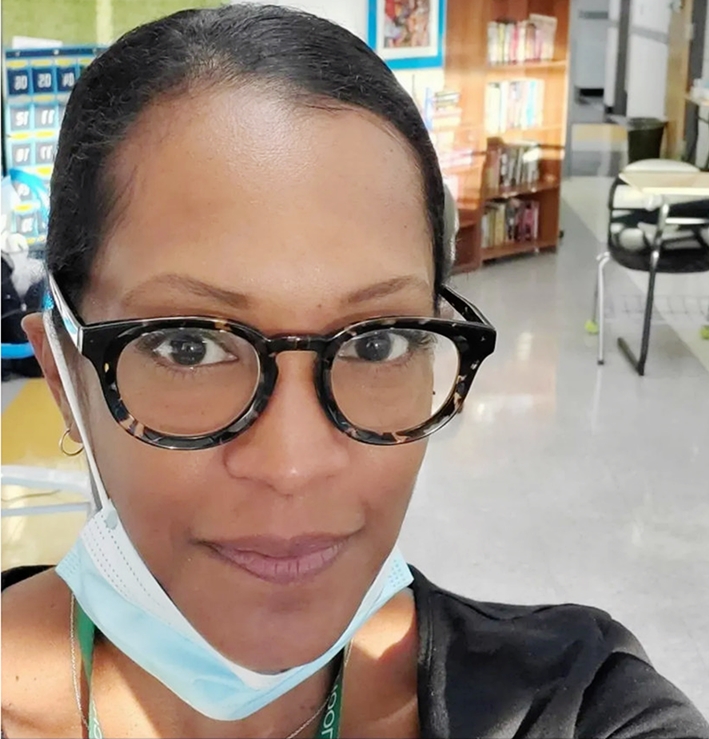
"I am now feeling the wear and tear of the past two years." (Courtesy photo/Chalkbeat Detroit)
In the new online space, many of my students were reluctant to turn on their cameras. How could I teach to blank squares on a screen? How could I adequately serve my students outside of the classroom space? ...
I saw many of my students and their families lacked necessities like stable housing, internet service and food, and my school district struggled to accommodate them.
Against this backdrop, being tasked with closing the educational gaps felt like a blow to the chest. Disinterested students broke my heart. My idea of who I was as an education professional was at risk.
It's been nearly two years since the pandemic forced me out of my comfort zone, and in that space, I have learned to adjust the length of my reach.
Precious joys and gains
These days, I pay attention to the small things, like the cadence of my students' voices, and celebrate small gains. I try harder to connect and adjust more often.
But unfortunately, since our return to school, constant interruptions have left me unable to cover as much material.
A large student body — along with vaccine and testing resistance — means we're still operating on a hybrid schedule, with students learning in person just two or three days a week. I am still unable to adequately address the needs of my struggling students when they are learning from home; as a result, many of my 190 students [in grades 10 and 11] will continue to fall behind.
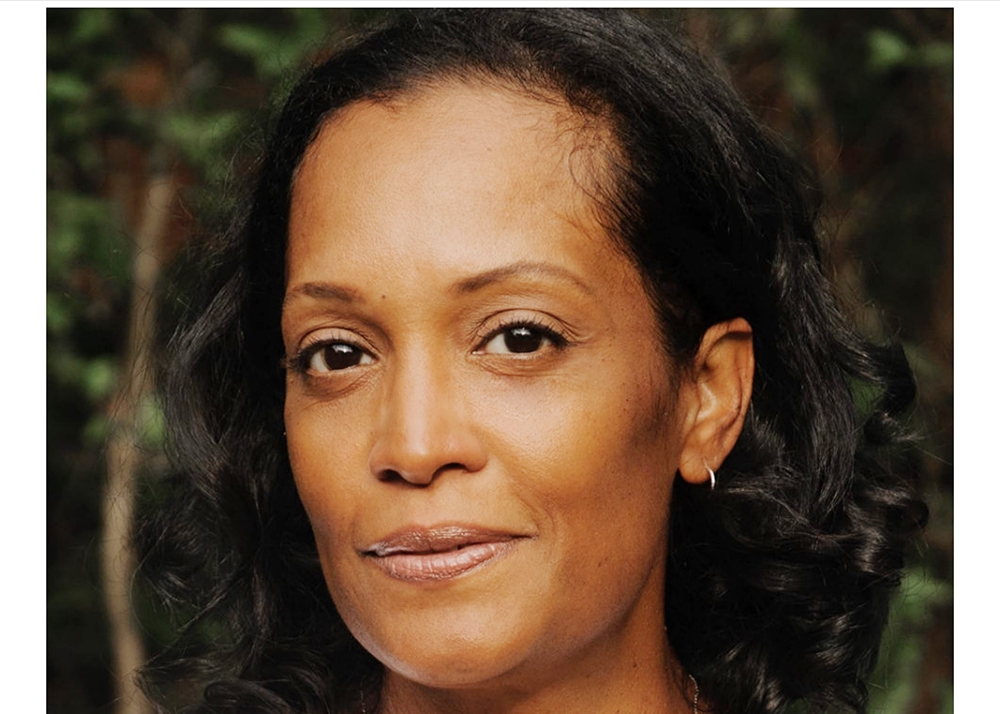
"I have accepted that some things are beyond my control." (Photo: The Pulse Institute)
Before the pandemic, I felt a sense of shame when my students did not perform at the level I thought they should. Now, I have accepted that some things are beyond my control.
Admittedly, I am now feeling the wear and tear of the past two years. This fatigue has left me more resistant to feelings of inadequacy and less apt to lose sleep over district-administered evaluations and exams that do not take into full consideration the constraints we must manage. I won't beat myself up over falling short despite my best efforts.
Exhausted, frustrated ... and sensible
Instead, I allow myself to be more spontaneous and take breaks to chat with my students, to create art, write poetry and prose on themes of their choosing, or to collaborate on a class playlist. I give them time to socialize with each other when they are in person. They shouldn't feel pressure to make up for two years of academic setbacks. It is not fair to them or us.
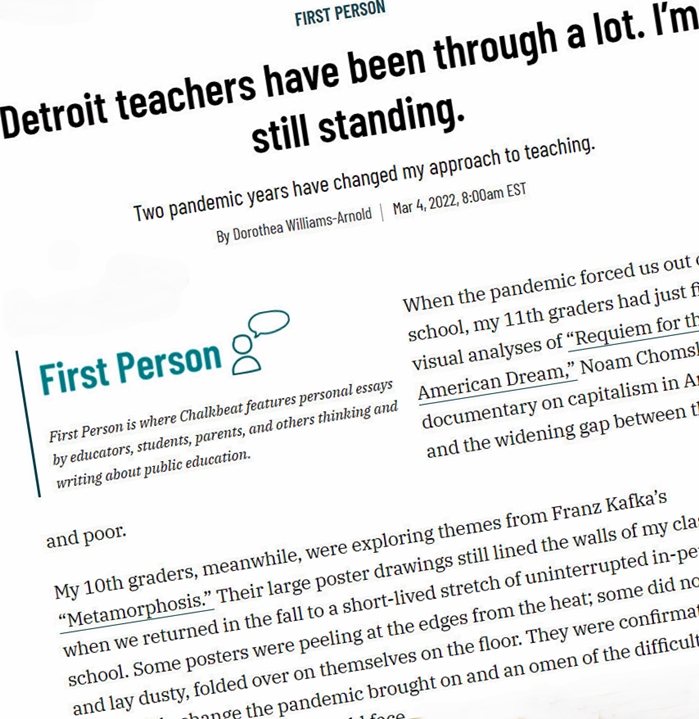
The essay at Chalkbeat
Though I am exhausted and frustrated by the ways poverty and inequitable funding impacts my students' education, I will continue to show up. I will continue to help them move towards more significant academic gains through culturally relevant instruction that leaves room for them to enjoy the limited time they have in the physical classroom.
Reflecting on the past couple of years, I have realized that the forces of change do not always have to make sense; but I must be sensible in my handling of them. And because I am allowing myself grace, my resolve has strengthened; my students are learning to work through their challenges, which helps me feel effective and productive.
I now realize that over the past two years, I also have been fighting for myself, my identity as a teacher, my means of survival, my soul.
► The slightly longer original is here, headlined "Detroit teachers have been through a lot. I'm still standing." | Subscribe to Chalkbeat newsletters.


