
Ex-Detroit U.S. Attorney Barbara McQuade
Fans of "Law & Order" -- or current events -- know the good guys don't win 'em all, especially when there's lawyerly misconduct or mistakes. That's the gist of a New York Times op-ed by University of Michigan law professor Barb McQuade.
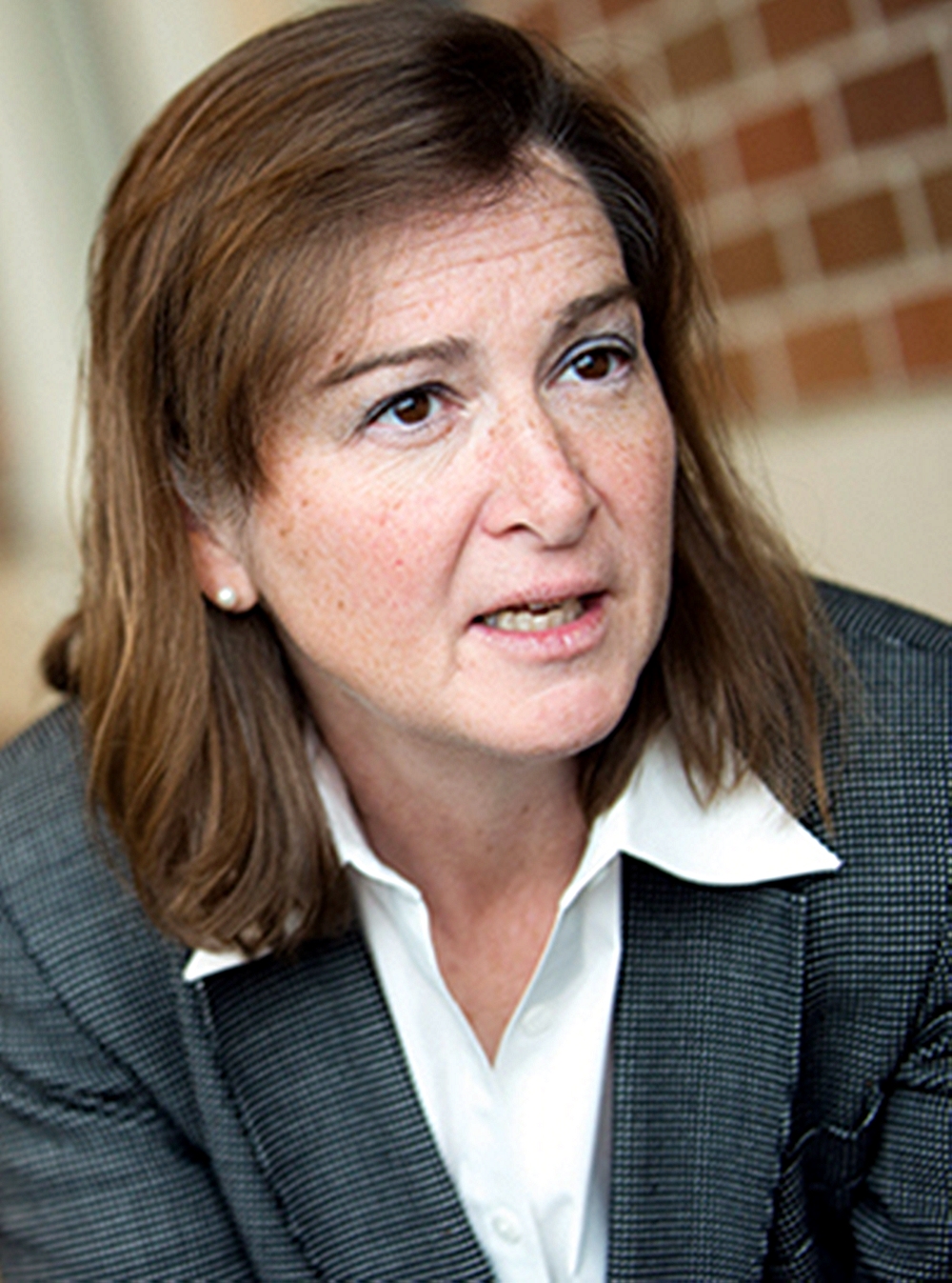
Ex-Detroit U.S. Attorney Barbara McQuade: "Due process sometimes leads to awful results." (File photo)
In the Bill Cosby case, it was a prosecutor's error, albeit a "highly unusual" one, McQuade, a former U.S. Attorney, writes:
The court’s basis for its decision was a highly unusual 2005 news release by Bruce Castor, when he was district attorney for Montgomery County, Pa. Mr. Castor stated that he chose not to file criminal charges against Mr. Cosby because of “insufficient credible and admissible evidence.” The state Supreme Court held that Mr. Castor’s public statements were binding on his successor, who resuscitated the case in 2015. Using Mr. Cosby’s deposition statements against him, the court said, was a “coercive bait and switch.”
While the release of Mr. Cosby is an affront to Andrea Constand, the victim, as well as to the other women who testified against him and to the public, the court was reaffirming the longstanding notion that due process requires the enforcement of prosecutors’ promises. ... Any promise a prosecutor makes that induces reliance to the detriment of the defendant may be binding. Here, the court is merely enforcing the promise Mr. Castor made.
She goes on to note the usual last-act "Law & Order" monologue that it's better to tolerate the guilty going free than the unjustly convicted to remain behind bars:
Enforcing the constitutional right to due process sometimes leads to awful results. But if the protection is to work for any of us, it must be enforced for all of us.
Roll the credits. Cosby is now 82, his life and reputation are ruined, and he did about three years behind bars. It's a punishment, even if not enough of one.


