
Desiree Cooper (Linkedin photo)
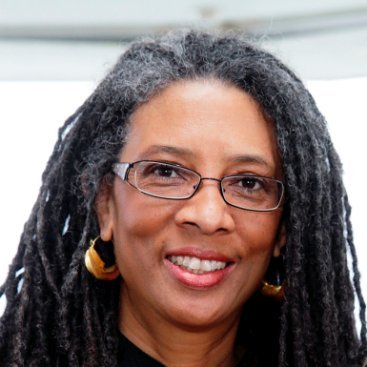
Desiree Cooper (Linkedin photo)
The urban dictionary defines "Detroited" as something broken beyond repair.
Author Desiree Cooper explains in an essay:
If it was black anger that set fire to the city in 1967, it’s been white retribution that’s been burning ever since. That’s how Detroit got Detroited.
Director of community and media relations for Planned Parenthood in Michigan, Cooper, an attorney, is a former columnist for the Free Press and former editor of Metro Times.
Her essay in "Detroit 1967," a recently published collection of essays about the rebellion from Wayne State University Press, appears in BLAC magazine. It explores why "Detroit's rebellion" 50 years ago stands apart from other urban insurrections that swept in the country in the 1960s:
Why was Detroit the only city that was so completely crushed after its rebellion?
To be fair, Detroit’s rebellion was the most destructive and deadly, making it a difficult milestone to transcend: 2,509 buildings were damaged, 7,231 men and women were arrested and, most horrifically, 43 people died. That’s not easy to recover from even if, by some miracle, industry, private investment and federal policy had collaborated to rebuild.
But that didn’t happen. And instead, there was nearly complete abandonment by the white power structure in the years preceding and following the rebellion. There are lots of reasons why, but there were three factors that sealed the Motor City’s fate: the integration of unions, the influence of Marxism and the emergence of Black Power.
Then in 1974, Coleman A. Young became mayor.
"Young was the embodiment of all three forces: union integration, communism and Black Power," she writes, adding: "His election was a clear signal that Detroiters were not going to quietly re-embrace white the status quo. For that, there would be no forgiveness."


